Source Modern Glass Succulent Planter Terrarium for Home Decor, Gifts, and Collections
Explore 30 options for the modern glass succulent planter terrarium, featuring square and geometric designs with customization available. Buyers can compare specifications, sizes, and packaging details from manufacturers in Hebei and Fujian to find the ideal decorative piece for home or garden use.
Key considerations
Products List


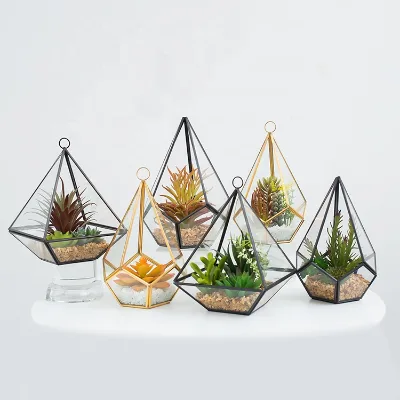
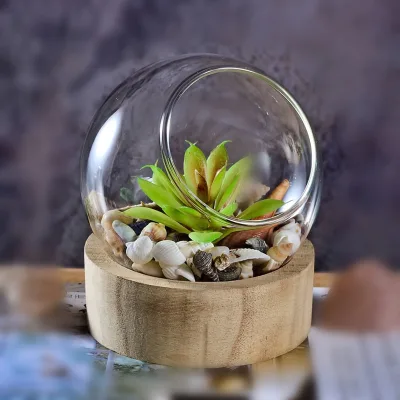
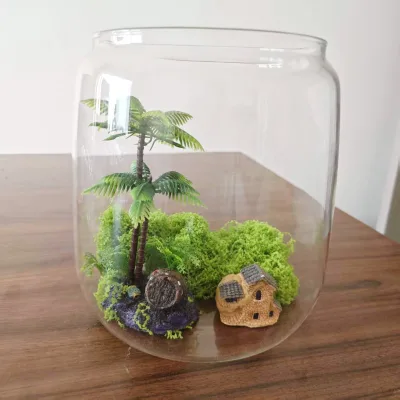
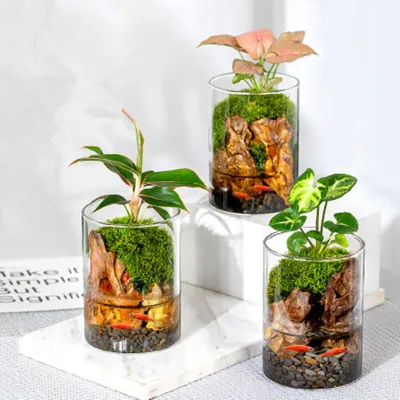


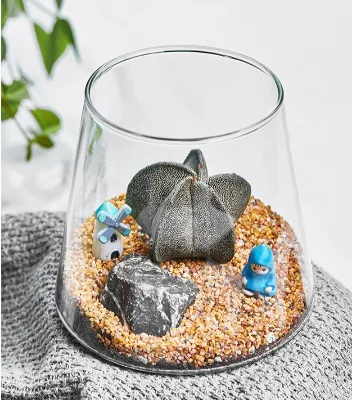
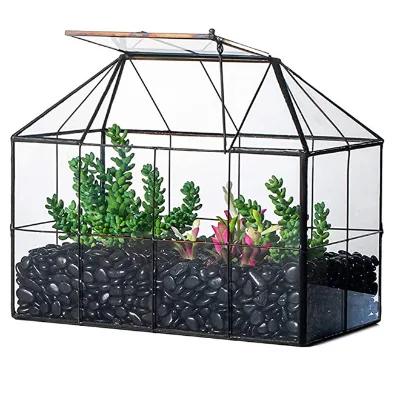
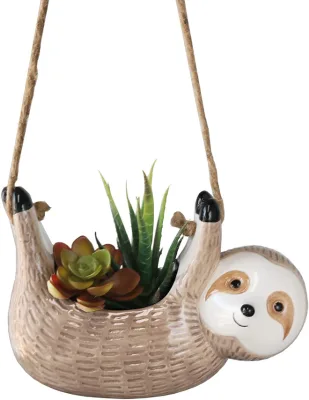

Comprehensive Sourcing Guide
Strategic Sourcing Guide for Modern Glass Succulent Planters and Terrariums
The global market for modern glass succulent planters and terrariums has expanded significantly as indoor gardening and minimalist home decor gain traction among B2B buyers. These products serve dual purposes: functional horticultural vessels and aesthetic design elements. For procurement professionals, sourcing these items requires a disciplined approach that balances aesthetic requirements with technical specifications, supply chain reliability, and compliance standards. This guide outlines the critical factors for evaluating suppliers and selecting products that meet the demands of modern retail and wholesale channels.
Technical Specifications and Design Attributes
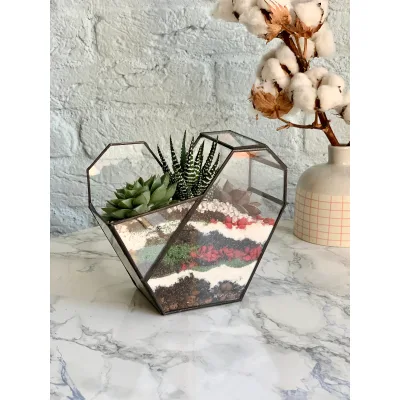
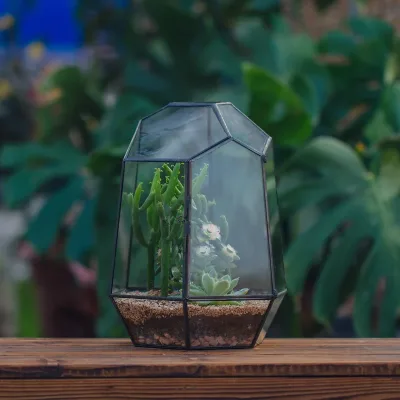
When evaluating modern glass succulent planters, the primary technical differentiators lie in dimensions, shape, and surface finish. The product landscape is diverse, ranging from standardized geometric forms to fully customized silhouettes. Buyers must scrutinize the dimensional data provided by suppliers, as these directly impact shipping costs and shelf presentation. Observed specifications in the current market include precise measurements such as 10.510.512.5cm, 15.511.516cm, and 12.512.514cm. Larger floor-standing units may reach heights of 35cm, with dimensions like 15.3x15.3x35cm H being available.
Shape is a critical design parameter. While many suppliers offer standard square or geometric configurations, there is a distinct segment of the market offering customized shapes to meet specific branding needs. The "Geometric" style is prevalent, often paired with a "Fashion" aesthetic that appeals to contemporary interior design trends. Surface finish is another vital technical attribute. High-quality terrariums typically feature a "Clear" finish to maximize light transmission for plant health, though some variants may be "Not Coated" or feature specific color treatments like "Black" or "Transparent" options. The absence of coating can be a selling point for buyers seeking a natural glass look, whereas coated variants might offer UV protection or specific color matching.
| Dimension Range (Approx.) | Shape Type | Finish Type | Typical Application |
|---|---|---|---|
| 10.510.512.5cm | Square | Clear | Desktop, Gift |
| 15.3x15.3x35cm H | Customized | Not Coated | Floor, Garden |
| 12x12*12cm | Geometric | Transparent | Home, Collection |
| 27x24x11cm H | Geometric | Clear | Table Centerpiece |
Buyers should verify that the listed dimensions align with their logistical constraints. Packaging sizes can vary significantly, with single package sizes reaching up to 38x38x55 cm for larger units, which directly influences freight calculations.
Compliance, Certification, and Origin Verification
In the B2B sector, compliance is non-negotiable. Procurement teams must verify the origin of goods and the certifications held by the manufacturing facility. The primary production hubs for these glass items are located in Hebei and Fujian, China. Understanding the regional capabilities is essential, as different provinces may specialize in specific glass-blowing techniques or molding processes.
Certification status serves as a proxy for manufacturing quality and ethical standards. Reputable suppliers often hold Factory Audit certifications such as BSCI (Business Social Compliance Initiative) and FSC (Forest Stewardship Council), particularly if the packaging involves wood or paper components. While specific product certifications like ISO are mentioned in some contexts, buyers must request current, valid certificates rather than relying on general claims. The "ISOColor" designation found in some listings requires clarification to ensure it refers to color fastness standards or a specific quality management system.
Furthermore, the "Type of Manufacturer" is a crucial distinction. Many suppliers operate as OEM (Original Equipment Manufacturer) or ODM (Original Design Manufacturer) entities. An OEM relationship implies the buyer provides the design, while an ODM relationship suggests the supplier offers proprietary designs that can be rebranded. The "Development Tech" capability, often listed as ODM, indicates the supplier's ability to innovate and adapt designs to market trends. Buyers must confirm that the supplier's development capabilities align with their product roadmap, especially if custom shapes or specialized finishes are required.
Cost Drivers and Pricing Dynamics
The pricing structure for glass planters is influenced by a complex interplay of material costs, labor, customization, and order volume. The observed price range in the market is broad, spanning from $0.40 to $54.80 USD. This variance is not arbitrary; it reflects differences in glass thickness, complexity of the mold, finishing processes, and packaging requirements.
Low-cost units, typically priced near the lower end of the spectrum, are often standard geometric shapes with minimal customization and simple packaging. These are frequently produced in high volumes with lower Minimum Order Quantities (MOQ), which can range from 1 to 5000 units depending on the supplier's flexibility. High-end units, approaching the upper price limit, usually involve custom shapes, intricate designs, or premium packaging solutions like "Gift Box or Customized Package."
The "prod_packing" attribute is a significant cost driver. Standard cartons are cost-effective for bulk shipping, but branded gift boxes add substantial value and cost. Buyers must calculate the total landed cost, including the premium for custom packaging, to determine the final retail price point. Additionally, the "Season" attribute, often listed as "All-Season," suggests that these products are not subject to the same seasonal demand fluctuations as holiday-specific decor, providing a more stable revenue stream for retailers. However, the "Country" of origin and specific factory location can impact logistics costs and import duties, which must be factored into the final cost analysis.
Typical Applications and Market Positioning
Modern glass succulent planters serve a wide array of applications, extending beyond simple plant housing. The "Usage" attributes identified in the market include Vase Set, Table Centerpiece, Gift, Decorative, and Collection. This versatility allows buyers to target multiple market segments simultaneously.
For the home decor sector, the "Home" application is dominant. These items are frequently marketed as "Wall, Desktop, Floor, Home, Garden" solutions, indicating their adaptability to various interior and exterior spaces. The "Country" style mentioned in some product listings suggests a rustic or traditional aesthetic, while the "Fashion" style targets modern, minimalist interiors. The "Geometric" pattern is particularly popular for contemporary settings, offering a clean, structured look that complements modern furniture.
In the corporate gifting sector, the "Gift" usage is paramount. The availability of "Customized Package" options makes these planters ideal for corporate events, weddings, and promotional campaigns. The "Collection" usage highlights their appeal to hobbyists and interior design enthusiasts who view these items as collectible art pieces. Buyers should align their product selection with the specific needs of their target demographic. For example, a retailer focusing on high-end interior design should prioritize items with "Customized Shape" and premium finishes, while a mass-market gift shop might focus on standardized geometric models with attractive gift packaging.
Supplier Evaluation and Manufacturing Capabilities
Evaluating a supplier for glass planters requires a deep dive into their operational capabilities. The "Type of Manufacturer" designation (OEM/ODM) is the first filter. A supplier claiming ODM capabilities should demonstrate a portfolio of existing designs that can be adapted, whereas an OEM supplier should showcase their ability to execute precise buyer specifications.
The "Customization" attribute is a key differentiator. Suppliers offering "Customized" options must have the technical infrastructure to handle non-standard molds and finishes. Buyers should request samples to verify the quality of customization, particularly regarding the "finishing" process. For instance, a "Not Coated" finish requires high-quality raw glass to ensure clarity and durability, whereas a "Clear" finish might involve specific polishing techniques.
The "Factory Audit" status, such as BSCI or FSC, provides insight into the supplier's ethical and environmental practices. While these audits do not guarantee product quality, they indicate a commitment to sustainable and compliant manufacturing. Buyers should verify the validity of these certifications and request audit reports to ensure the supplier maintains these standards. Additionally, the "prod_origin" location (Hebei or Fujian) can influence lead times and communication efficiency. Proximity to raw material sources, such as silica sand, may also impact production costs and consistency.
Quality Control and Long-Term Procurement Strategy
Quality control (QC) is paramount when sourcing glass products due to the inherent fragility of the material. Buyers must establish clear acceptance criteria for dimensions, finish, and structural integrity. The "prod_standard" dimensions provided by suppliers, such as 10.510.512.5cm, must be verified against physical samples to ensure consistency. Variations in glass thickness or mold alignment can lead to product rejection.
Long-term procurement strategies should focus on building relationships with suppliers who offer stable production capabilities and consistent quality. The "Single package size" and "prod_packing" details are critical for logistics planning. Buyers should negotiate packaging standards that minimize damage during transit while maintaining the aesthetic appeal of the product. The "Season" attribute, being "All-Season," suggests that inventory planning can be more flexible, but buyers should still monitor demand fluctuations to avoid overstocking.
Furthermore, the "Application" scope, covering "Wall, Desktop, Floor, Home, Garden," implies that the product line should be robust enough to withstand various environmental conditions. Buyers should inquire about the glass thickness and tempering processes to ensure durability, especially for floor-standing units. Finally, maintaining a clear communication channel regarding "Customization" requests and "Development Tech" capabilities will ensure that the supply chain can adapt to changing market trends and design preferences over time. By adhering to these rigorous evaluation criteria, buyers can secure a reliable supply of high-quality modern glass succulent planters that meet both functional and aesthetic demands.
FAQs
What customization options are available for these glass planters?
Customization is available for shape, packaging, and branding. Buyers can request customized shapes or specific gift box packaging, while the standard options include geometric patterns and clear finishes to suit various design needs.
Which certifications do the manufacturing factories hold?
Reputable factories often hold BSCI and FSC factory audit certifications. These standards verify ethical labor practices and sustainable sourcing, ensuring compliance for international buyers seeking reliable supply chain partners.
How does the MOQ vary for different product models?
The minimum order quantity ranges from 1 to 5000 units depending on the specific model and customization level. Standard items like model 24101686 may have lower thresholds compared to fully customized orders requiring new molds.
Can I find suppliers located in specific Chinese provinces?
Yes, suppliers are primarily located in Hebei and Fujian provinces. These regions are key production hubs offering diverse glass-blowing techniques and molding processes suitable for various planter designs and specifications.
What is the price range for modern glass succulent planters?
The observed price range spans from 0.4 to 54.8 USD per unit. Costs vary based on glass thickness, finish complexity, packaging type, and whether the item is a standard geometric shape or a custom design.
Which dimensions are standard for these terrarium units?
Standard dimensions include sizes like 10.5*10.5*12.5cm and 15.3x15.3x35cm H. These measurements define the volume and footprint, helping buyers select appropriate units for desktop, floor, or garden applications.